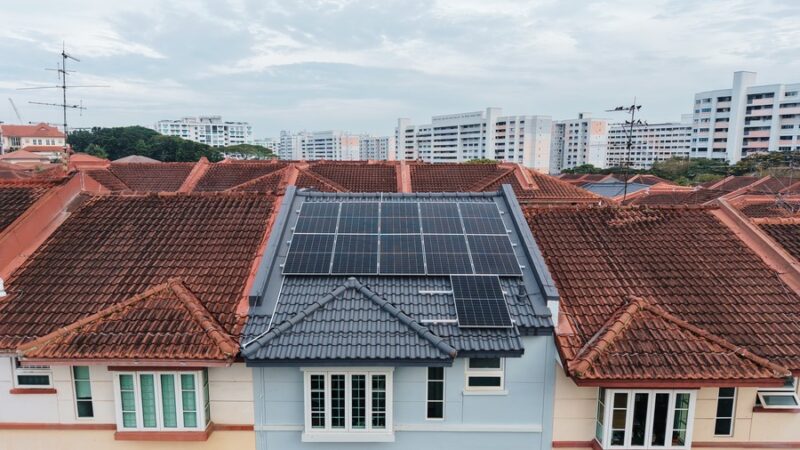

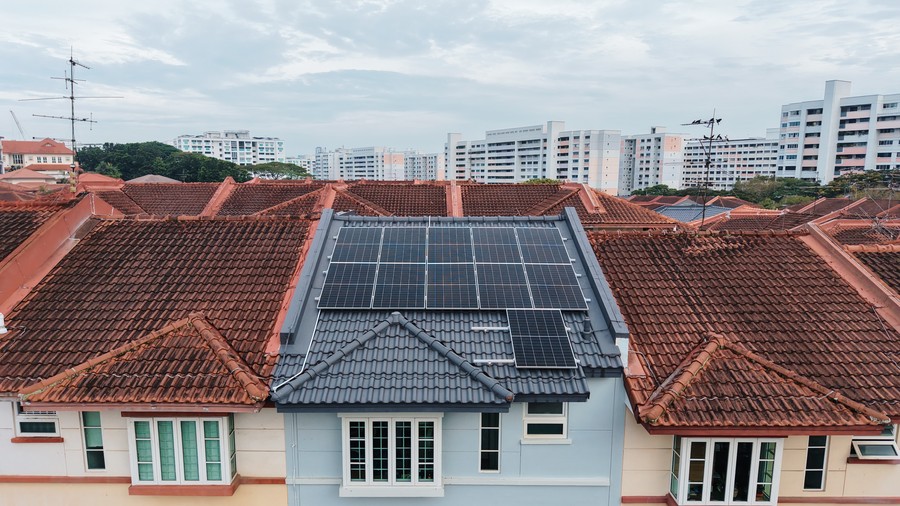
With growing interest in renewable energy and energy-efficient homes, solar power is becoming an attractive option for homeowners in Singapore. Many households are exploring ways to manage electricity expenses while making more environmentally responsible choices. Solar panels can give you a chance to generate electricity from the sun, reduce your reliance on the power grid, and possibly save money in the long run. However, before investing in a solar energy system, homeowners should understand the costs, benefits, and factors that influence its financial value. Property owners in Singapore who work with a dependable contractor for solar panels can assist them in determining whether solar energy is an appropriate investment for their homes.
1. Understand the Financial Benefits of Solar Energy
The potential to save money on electricity is a major reason why homeowners consider solar panels. A residential solar system produces electricity during daylight hours, enabling households to utilize their own generated power rather than relying solely on the grid for supply. The amount saved depends on the system’s capacity, electricity consumption, sunlight exposure, and the proportion of generated electricity used directly by the household.
Increased direct solar consumption may be advantageous to homeowners whose daytime electricity consumption is higher. Any excess electricity may also be exported to the grid under applicable arrangements.
- Consider the Initial Installation Costs
Although solar panels can offer long-term benefits, installation requires an initial financial investment. The total cost depends on several factors, including the number of panels, equipment specifications, roof conditions, system size, and installation requirements.
An indicative upfront cost of approximately S$1,600 per kilowatt-peak (kWp) for a smaller residential rooftop solar installation can be found, according to the Energy Market Authority (EMA) of Singapore. Before deciding, homeowners should request detailed estimates from various providers. The value of a proposed system can be determined by comparing equipment quality, installation services, warranties, and maintenance arrangements.
3. Evaluate the Potential Return on Investment
When determining whether solar panels are financially worthwhile, it is essential to comprehend the payback period. The payback period refers to the time required for electricity savings and other applicable benefits to recover the original installation investment.
According to the Energy Market Authority, the average payback period for residential solar installations is approximately seven years. However, payback times of four to five years may be shorter for households with larger systems and higher electricity consumption. Actual results vary depending on electricity usage patterns, system performance, installation costs, and electricity tariffs.
A professional Singapore solar panel contractor can assess your property and provide an estimated system output and potential financial savings.
- Benefit the environment in the long run financial savings are not the only reason to consider solar energy.
Solar panels generate electricity from sunlight without producing direct carbon emissions during operation.
By using renewable electricity, homeowners can reduce their reliance on conventional grid electricity and contribute to a cleaner energy environment.
Installing solar panels can be a practical way to support Singapore’s broader goals for renewable energy and increase energy efficiency in the home for families interested in sustainable living.
5. Choose the Right Company to Install Solar Panels
Selecting an experienced contractor is an important part of making a successful solar investment. A professional contractor for solar panel installation in Singapore can evaluate your rooftop, assess your electricity requirements, and recommend suitable equipment.
Before signing an agreement, compare the contractor’s experience, previous projects, product warranties, workmanship guarantees, and after-sales support.
You should also ask for a clear explanation of the expected amount of electricity produced, maintenance costs, and payback time. Comparing different proposals and avoiding overly optimistic financial expectations are made simpler by this data. Homeowners interested in exploring available solar solutions can visit Solar Panel Contractors Singapore to learn more about residential solar installation services.
- Think About Long-Term Maintenance and Performance
Solar panels are designed for long-term operation, but regular maintenance remains important. Dirt, debris, equipment wear, and electrical issues can affect system performance over time.
Homeowners should understand the recommended inspection schedule and ask whether maintenance services are included in their installation agreement.
According to the EMA, residential rooftop solar systems typically have annual operation and maintenance costs of approximately one to two percent of the system cost. Planning for these recurring expenses provides a more realistic picture of the investment’s long-term financial value.
Conclusion
Solar energy can be a worthwhile investment for Singapore homeowners with suitable rooftops, appropriate electricity consumption patterns, and realistic financial expectations. The potential benefits include lower electricity expenses, greater energy independence, and reduced environmental impact.
However, every property is different. Homeowners should compare installation estimates, evaluate anticipated savings, comprehend maintenance requirements, and examine available warranties prior to installing a system. By working with a reliable solar panel contractor in Singapore, homeowners can receive professional guidance and make informed decisions about whether solar energy is the right long-term investment for their property.